Strikes on Iran and the Safe-Haven Surge
Key Takeaways Following the strikes on Iran, gold has surged past $5,200 per ounce, reinforcing its role as the ultimate hedge against systemic risk. The rally in precious metals is inextricably linked to energy security. With 14 million barrels of oil per day passing through the Strait of Hormuz, any disruption to this chokepoint drives […] The post Strikes on Iran and the Safe-Haven Surge appeared first on Goldco.

Key Takeaways
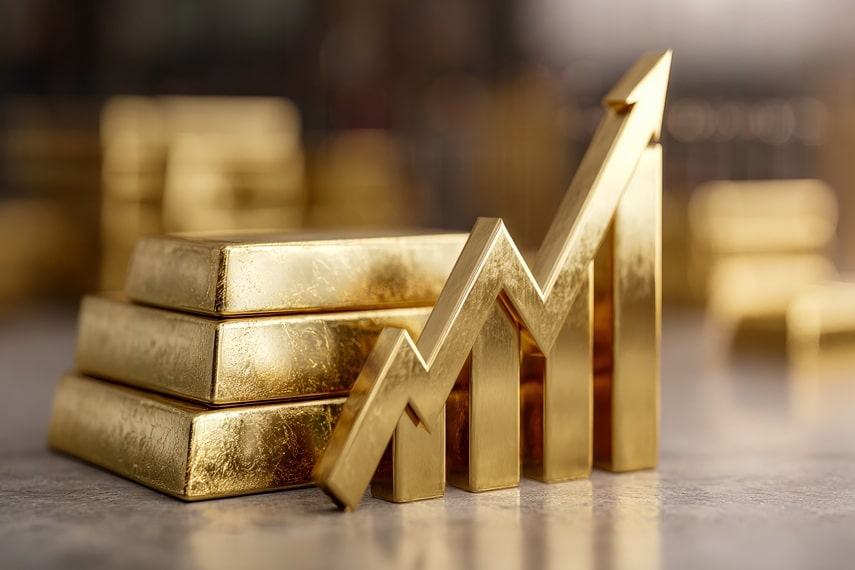
- Following the strikes on Iran, gold has surged past $5,200 per ounce, reinforcing its role as the ultimate hedge against systemic risk.
- The rally in precious metals is inextricably linked to energy security. With 14 million barrels of oil per day passing through the Strait of Hormuz, any disruption to this chokepoint drives inflation expectations.
- The escalation could trigger a global rotation out of equities and into defensive assets.
- Unlike bonds or equities, gold’s value isn’t tied to government solvency or corporate earnings. Capital may seek assets that are no one else’s liability.
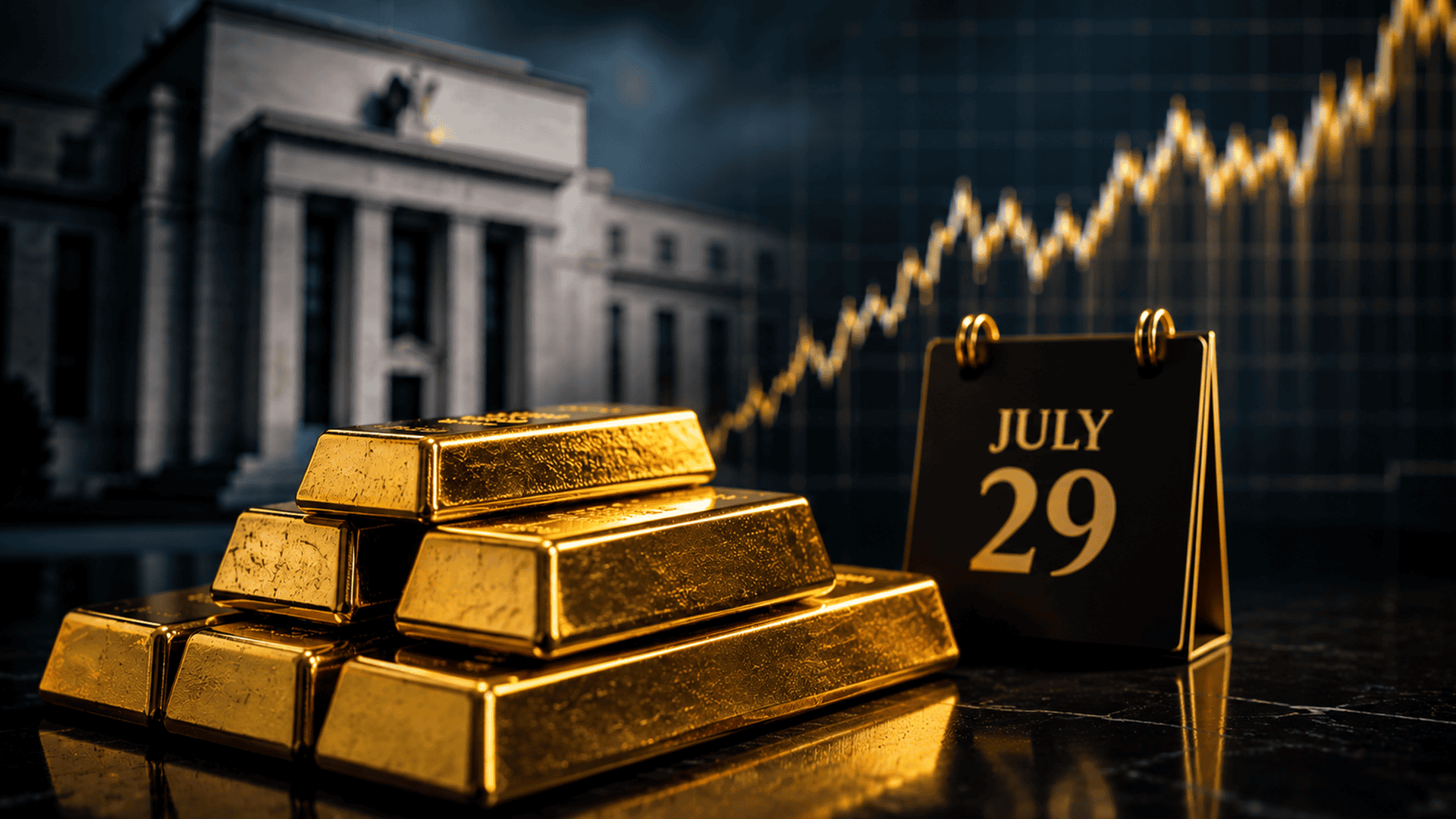
The weekend strikes by the United States and Israel on Iran – and the reported killing of Ayatollah Ali Khamenei – have sharply escalated geopolitical tensions and immediately refocused global markets on one central question: where does capital go when uncertainty spikes? The early answer is gold.
On Sunday afternoon, spot gold surged past $5,200 per ounce in electronic trading, with futures on the Chicago Mercantile Exchange climbing above $5,296, and expectations of a gap-up opening when markets fully reopen.
This comes on top of an already extraordinary run: gold touched an all-time high near $5,608 in January 2026 and has remained elevated amid trade tensions, tariff uncertainty, and broader geopolitical stress. February alone saw a gain of roughly 7.6 percent in gold, while silver rose nearly 10 percent for the month. The fresh escalation in the Middle East adds a new and potentially powerful layer of risk premium.
Oil Disruption and Inflationary Pressure
Gold’s reaction cannot be separated from oil. Brent crude had already been firming, but fears of disruption in the Strait of Hormuz (through which roughly one-third of global seaborne crude exports and about one-fifth of global liquid natural gas shipments pass) have intensified supply concerns.
More than 14 million barrels per day flowed through the strait in 2025, making it one of the most critical energy chokepoints in the world. Reports that tanker traffic has thinned and that some oil majors have suspended shipments underscore how quickly logistical uncertainty can translate into price risk.
In extreme scenarios, crude could surge past $100 per barrel (as it did early in the Russia-Ukraine War) if regional facilities are attacked or if shipping routes are significantly impaired. Higher oil prices matter for gold because they feed inflation expectations, raise macroeconomic uncertainty, and increase the probability of policy stress in energy-importing nations. When oil rises sharply for geopolitical reasons, gold often benefits as investors seek protection against both inflation and financial instability.
Navigating the “Risk-Off” Landscape
The immediate market pattern is classic “risk-off” behavior. Equities are expected to open lower, particularly in markets sensitive to foreign capital flows. In India, for example, foreign institutional investors may reduce financial assets exposure, while higher crude prices widen the current account deficit, pressure the currency, and stoke domestic inflation.
In China, while oil imports represent a smaller share of total energy consumption (roughly 18 percent, compared with oil and gas making up close to 70 percent of energy use in the US and EU) higher global crude prices still raise import costs and add short-term inflationary pressure. Across regions, the effect is similar: when geopolitical risk rises and energy prices jump, investors rebalance portfolios toward assets perceived as stores of value. Gold and silver sit at the center of that rotation.
The Durability of the Rally
Ultimately, the durability of this gold rally depends on the conflict’s trajectory. A protracted conflict would likely see volatility remain high, while signs of diplomatic de-escalation could trigger profit-taking. Gold is highly sensitive to shifts in perceived worst-case outcomes.
If retaliation is limited and energy infrastructure remains largely intact, some of the risk premium embedded in bullion could fade. But if the conflict broadens – especially if shipping through the Strait of Hormuz is materially disrupted or oil facilities in Gulf states are targeted – gold could move toward new highs as global capital seeks safety.
Hedging Systemic Risk
There is also a financial structure dimension. In periods of acute uncertainty, buyers do not merely hedge oil risk; they hedge systemic risk. Gold functions differently from equities or bonds because it is no one else’s liability. It does not depend on corporate earnings, government solvency, or central bank credibility.
In times when geopolitical events raise questions about fiscal burdens, inflation trajectories, or monetary responses, that characteristic becomes more valuable. The recent surge in US Treasuries alongside gold reflects this dual flight to safety, but gold has an additional appeal when inflation fears accompany conflict-driven oil spikes.
Silver, platinum, and palladium have also moved, though gold remains the primary barometer of geopolitical stress. Silver climbed nearly 5 percent recently, reflecting both safe-haven demand and its industrial linkage to global growth. But gold’s role is more singular: it is the asset most closely associated with capital preservation during regime uncertainty.
Strategic Outlook: Discipline Over Reaction
For long-term planners, asset allocation discipline becomes critical in moments like this. Analysts stress avoiding panic-driven decisions and maintaining diversified exposure across equities, bonds, and precious metals. Historically, wealth has been built through steady allocation rather than reactive trading.
Still, in the short run, markets will move on headlines. The intensity of Iran’s response, the resilience of energy infrastructure, and the willingness of major powers to pursue diplomacy will determine whether gold’s current surge represents a temporary spike or the early stage of a renewed breakout.
Oil is the spark, but gold may be the signal. The tighter the perceived constraint on energy supply and the longer the conflict appears likely to last, the stronger the case for sustained upward pressure on bullion. As long as geopolitical risk remains elevated and crude volatility persists, gold may very well remain at the center of global capital’s defensive positioning.
 About the author: Peter C. Earle, Ph.D, is the Director of Economics and Economic Freedom and a Senior Research Fellow who joined AIER in 2018. He holds a Ph.D in Economics from l’Universite d’Angers, an MA in Applied Economics from American University, an MBA (Finance), and a BS in Engineering from the United States Military Academy at West Point.
Prior to joining AIER, Dr. Earle spent over 20 years as a trader and analyst at a number of securities firms and hedge funds in the New York metropolitan area as well as engaging in extensive consulting within the cryptocurrency and gaming sectors. His research focuses on financial markets, monetary policy, macroeconomic forecasting, and problems in economic measurement. He has been quoted by the Wall Street Journal, the Financial Times, Barron’s, Bloomberg, Reuters, CNBC, Grant’s Interest Rate Observer, NPR, and in numerous other media outlets and publications.
Disclaimer: All opinions expressed by the author are the author’s opinions and do not reflect the opinions of Goldco. The author’s opinions are based on the author’s personal experience, education and information the author considers reliable. Goldco does not warrant that the information contained herein is complete or accurate, and it should not be relied upon as such.
The post Strikes on Iran and the Safe-Haven Surge appeared first on Goldco.